
Contents
Virtual influencers: A marketing revolution
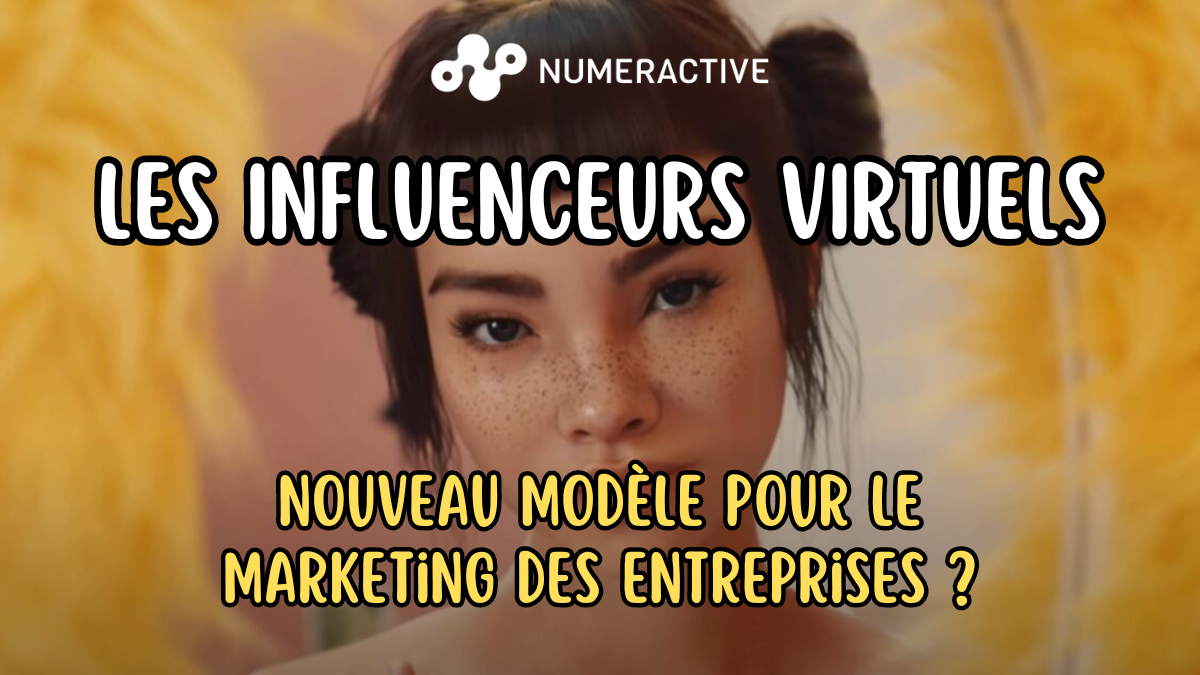
Virtual influencers are digital personas created using advanced technologies like artificial intelligence and 3D modeling. Unlike human influencers who exist in physical reality, these avatars are entirely confined to the virtual world, interacting with users on social media platforms in realistic and engaging ways.
A high-tech creation
Designing a virtual influencer requires a combination of skills in 3D modeling, animation, artificial intelligence and marketing. Agencies that specialize in creating these characters employ digital artists to design avatars that are often more perfect and controllable than their human counterparts.
The appearance of virtual influencers can be adjusted to exactly match the desired branding, and their behavior can be scripted to interact consistently and predictably with followers. This careful personalization allows businesses to precisely control their message and image, eliminating the risks associated with the unpredictable actions of human influencers.
The pioneers of the movement
The concept of the virtual influencer has really taken off with iconic figures like Lil Miquela. Created by the company Brud, Lil Miquela is a virtual influencer who has managed to amass millions of followers on Instagram in just a few years. She plays a fictional character with a life story, opinions and emotions, which makes her very attractive to users.
In this article we will explore who are these virtual influencers, how they impact business marketing and why they could well represent the future of this industry.

Who are the
influencers virtual?
Virtual influencers are digital characters designed to interact with users in a realistic and engaging way on social media platforms. Unlike human influencers, these avatars only exist in the virtual world and are created by specialized agencies or directly by the brands themselves.
The concept took off with figures like Lil Miquela, a virtual influencer created by the company Brud, who today has millions of followers on Instagram. She collaborates with prestigious brands, shares engaging content and even participates in fashion campaigns, blurring the line between the real and the virtual.
The benefit of virtual influencers for businesses
Full control over branding
One of the main benefits for businesses is full control over the branding and message conveyed by virtual influencers. Unlike human influencers, who can have unpredictable behaviors or changing opinions, digital avatars can be fully scripted to stay aligned with company values.
For example, KFC created a virtual version of Colonel Sanders to modernize and energize the brand's image. This character can be shaped to perfectly meet the needs and expectations of consumers, without the risk of controversy or misconduct.
Availability and consistency
Virtual influencers offer 24/7 availability and consistency in their messages, which is especially useful for overall marketing campaigns. They can interact with consumers at any time, without the constraints of time zones or fatigue. In addition, companies can ensure that the messages broadcast are always in line with their marketing strategy.
Cost and flexibility
Although the initial creation of a virtual influencer can be a significant investment, in the long run these avatars may prove more profitable than human influencers. They don't need ongoing compensation, travel for shoots, or other expenses related to real people. Businesses can also adapt and use them for different campaigns without significant additional costs.

Case studies
Lil Miquela and BMW
Lil Miquela is arguably the most famous example of a virtual influencer successfully capturing the attention of major brands. With her 2.6 million subscribers, she was chosen by BMW for a campaign to promote their vehicles. This collaboration allowed BMW to reach a younger audience and project an image of modernity and innovation.
Imma and IKEA
Another notable example is that of Imma, a Japanese virtual influencer developed by Aww Inc. for a campaign with IKEA. As a digital model, Imma allowed IKEA to showcase its products in creative and engaging settings, while reducing the costs associated with hiring human models.
KFC Virtual Colonel Sanders

KFC has also shown innovation by transforming its iconic Colonel Sanders into a virtual influencer. This character has been used for various marketing campaigns, bringing a touch of humor and modernity to the brand. This initiative helped KFC stand out in a very competitive sector and renew interest in its image.
In conclusion,
Virtual influencers represent a fascinating evolution in influencer marketing, offering businesses an innovative way to connect with their audiences. With their advantages in control, availability and cost, they have the potential to transform the way brands interact with their consumers.
However, their use also raises important ethical and regulatory questions. Businesses must navigate this new space carefully, ensuring they maintain transparency and consider the social impact of their actions.
Ultimately, virtual influencers are not just a passing trend, but a real revolution that could redefine the rules of marketing for years to come.

Want to learn more about the latest digital marketing trends and discover how virtual influencers can transform your business?

 FR
FR EN
EN DE
DE IT
IT